

Compare TPE nonwoven lamination, dual-station heat pressing, and automatic garment packing equipment for a more capable textile operation.
Textile machinery investment can target very different stages of production. Material processing, garment decoration, and final packing each present separate opportunities to increase capacity or reduce manual handling. The right choice depends on the product range, available utilities, factory layout, and expected output rather than machine price alone.
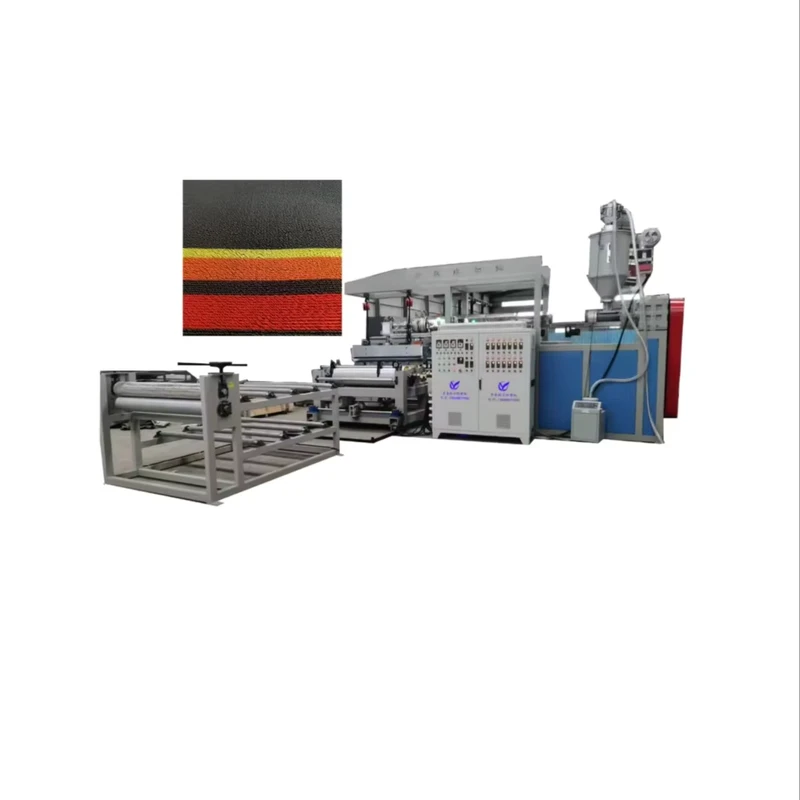
Building TPE Composite Materials
The TPE laminating system combines twin-screw extrusion with nonwoven composite production. Its listed configuration includes a 71 mm screw, 52:1 L/D ratio, 34 rpm screw speed, and 132 kW power. With an approximate machine weight of 9,000 kg and selectable 220 V, 380 V, or 440 V supply, importers should evaluate installation space, power infrastructure, lifting access, and freight arrangements early in the project.

Printing and Packing Finished Garments
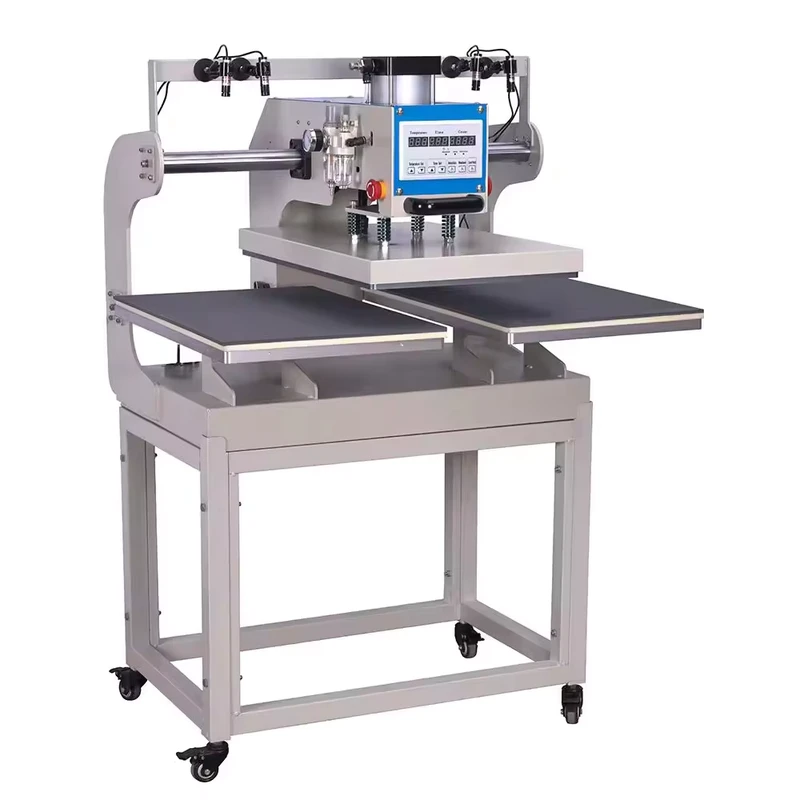
For apparel decoration, the dual-station heat press offers automatic pneumatic operation and a 40 x 60 cm working format. Two stations support an efficient loading and pressing rhythm for T-shirts and other compatible garments. Buyers should confirm the required platen size, 110 V or 220 V supply, air source, transfer material, and target fabric before ordering.
After decoration, the automatic folding machine brings folding and heat-seal bagging into one electrically driven process. It supports 110 V or 220 V at 50/60 Hz and is designed for apparel and textile packaging using compatible bags, film, plastic, or paper materials. Garment dimensions, folding pattern, bag size, sealing requirements, and packaging appearance should all be included in the technical discussion.
These machines do not need to form one continuous line to deliver value. They can support separate production departments, contract manufacturing operations, or phased factory expansion. When comparing textile machinery options, request configuration details, layout drawings, test procedures, spare-parts recommendations, and operating documentation.
Share your product samples, capacity target, voltage, and packaging specifications to receive a more accurate machine recommendation and commercial quotation.


